fhd@battlesync.site
The gaming world has been buzzing about Hollow Knight: Silksong for years. This long-awaited sequel to the critically acclaimed Hollow Knight has left fans asking the same burning question over and over: “How long has Silksong been in development?” The answer isn’t simple. Depending on where you mark the start, it has been in the works for anywhere between six and eight years. To understand this, we need to trace its journey from its origins as a small expansion idea to becoming one of the most anticipated indie games of all time.
Introduction to Hollow Knight: Silksong
What is Silksong?
Hollow Knight: Silksong is the official sequel to Hollow Knight, one of the most beloved indie Metroidvania games ever made. While the original game put players in control of the silent Knight, Silksong shifts the focus to Hornet, a fast, agile warrior who played a major role in the first game’s story.
Unlike its predecessor, which takes place in the ruined kingdom of Hallownest, Silksong is set in an entirely new land called Pharloom. The world is vibrant, vertical, and packed with danger. Players are promised over 150 new enemies, new acrobatic movement abilities, crafting mechanics, quests, and more boss fights than the original.
For fans, this game is not just another sequel—it’s a continuation of a beloved universe, with new mysteries to uncover and new challenges to face. But the excitement has been matched equally by the wait, which has stretched on for years.
The Legacy of Hollow Knight
When Hollow Knight launched in 2017, it became a surprise hit. Developed by the small Australian studio Team Cherry, it combined hand-drawn art, challenging combat, and an atmospheric world. What set it apart was the incredible depth and polish for such a small team, often rivaling big-budget games.
Its success created a massive community of dedicated fans who began eagerly asking: what’s next? Team Cherry, rather than resting on their success, already had something cooking—a project that would eventually evolve into Silksong.
Origins of Development
From DLC to Full Sequel
The origins of Silksong go back to the early days after Hollow Knight’s release. Initially, Hornet was meant to be a playable character in a planned DLC expansion. Team Cherry announced in late 2017 that Kickstarter backers would get extra content, and Hornet’s DLC was supposed to be part of that promise.
But as development continued, the team realized something: Hornet’s movement style, her mechanics, and the new world design were simply too big to fit into a DLC package. What started as an expansion ballooned into an entirely new game. By 2018, it was clear that Silksong would not just be a side chapter—it was shaping up to be a full-blown sequel.
Early Design Work Post-Hollow Knight (2017–2018)
While the official announcement didn’t happen until 2019, work on Silksong actually began shortly after the release of Hollow Knight in 2017. The team began experimenting with Hornet’s faster, more acrobatic gameplay. Unlike the Knight, Hornet relies on agility and precision, and building a whole game around her required redesigning combat, level layouts, and even the overall flow of exploration.
During 2017–2018, Team Cherry focused on prototyping these mechanics and world-building. The decision to expand the DLC into a sequel was a major turning point, marking the unofficial beginning of Silksong’s long development cycle.
Official Announcement of Silksong (2019)
The Reveal Trailer and Initial Reaction
In February 2019, Team Cherry dropped a bombshell: Hollow Knight: Silksong was officially announced with a trailer. Fans were blown away. The reveal showcased Hornet battling enemies, performing acrobatic moves, and navigating environments that looked bigger and brighter than anything seen in Hollow Knight.
The trailer confirmed that Silksong was not just a side project—it was a full-fledged sequel. It promised a completely new kingdom, dozens of new bosses, and a fresh story built around Hornet’s journey.
The reaction was electric. Within hours, forums, Reddit threads, and YouTube channels exploded with breakdowns and speculation. Fans began eagerly awaiting release news, assuming they’d be playing within a year or two.
Community Expectations and Early Hype
The early hype for Silksong was enormous. Part of this was due to Hollow Knight’s strong reputation, but it also came from the way Team Cherry marketed the game. The promise of more content, more polish, and a bigger world gave the impression that Silksong would arrive quickly, perhaps by late 2020.
Unfortunately, that expectation turned out to be overly optimistic. As the years passed with little news, anticipation turned into impatience, and Silksong slowly transformed into one of the most famous examples of a “long development cycle” in indie gaming history.
The Extended Development Timeline
Why Development Took So Long
One of the biggest questions fans have asked is: why is Silksong taking so long? The short answer: it’s a massive project for a tiny team. Team Cherry consists of only a handful of developers, and they are crafting a game that rivals large-scale productions.
The truth is, Silksong has grown far beyond its original scope. What started as a DLC turned into a sequel with more bosses, quests, biomes, and mechanics than the original game. Each new feature meant more design, coding, testing, and balancing.
Scope Creep and Expanding Content
“Scope creep” is a term in game development that describes when a project keeps expanding beyond its original vision. This is exactly what happened with Silksong. Hornet’s unique combat and traversal meant that the environments needed to be rethought. Quests were added, crafting was introduced, and more enemies were designed to match her abilities.
Every addition made the game richer, but it also meant pushing back release dates. Fans grew frustrated, but in reality, Team Cherry was polishing a game that could easily surpass Hollow Knight in depth.
Small Team Challenges
Unlike large studios that have hundreds of developers working on different parts of a game simultaneously, Team Cherry is a tiny indie team. Every asset, animation, and mechanic takes longer to produce. On top of that, they have maintained a high standard of polish.
The decision not to rush a release has likely prevented Silksong from launching in an unfinished state. Still, this has led to the game being in development for over six years, making it one of the longest-running indie projects in recent memory.
Key Milestones in Development
Major Updates from Team Cherry
Since its 2019 reveal, Team Cherry has occasionally surfaced to provide updates—though often far fewer than fans wanted. In the first year after the announcement, they shared interviews, gameplay previews, and developer insights. For example, we learned that Hornet would be more talkative than the silent Knight, and that Silksong would feature a quest system, something entirely new for the series.
But as time went on, updates became less frequent. The silence wasn’t laziness or neglect—it reflected how deep into development the team was. Small indie studios don’t have the resources for constant marketing pushes. Instead, every bit of energy was directed into building the game.
Even so, major moments—such as appearances at events like E3, Nintendo Direct showcases, and Xbox presentations—kept the hype alive. Each time, fans hoped for a release date, only to leave with more questions than answers.
Delays and the Silence Period
The years 2020 to 2022 became infamous for Silksong’s silence. Team Cherry stopped sharing regular updates, which led to endless speculation online. Some fans even wondered if the game was quietly canceled.
In reality, the pandemic played a huge role. Like many developers, Team Cherry faced challenges with remote work and slowed production. Add to that the ever-expanding scope of the game, and delays were inevitable.
Despite the lack of communication, the occasional appearance of Silksong in trailers or press events reassured fans it was still alive. Yet the extended silence became a kind of meme in the gaming community—Silksong updates were treated almost like sightings of a rare mythical creature.
Resurfacing with Release Window Updates
In 2022, a big moment arrived: Microsoft announced that Silksong would be part of its Xbox Game Pass lineup on day one. This was huge—it confirmed that the game was closer to release than fans had feared. Even more exciting was the announcement of a release window, promising the game within the next year.
However, that window came and went. Team Cherry later confirmed that the game would take longer, sparking both disappointment and understanding from fans. Finally, by 2025, after years of buildup, the release date was officially locked in.
The Role of Community Hype
Fan Speculation and Theories
If there’s one thing that kept Silksong in the spotlight during its long development, it was the community. Fans poured over every trailer frame, analyzing enemies, map layouts, and mechanics. Entire YouTube channels and Reddit communities dedicated themselves to Silksong speculation.
Some theories went deep—predicting lore connections between Pharloom and Hallownest, or speculating on Hornet’s role in the grand story. Others were more lighthearted, like memes about Silksong’s release date being delayed into eternity.
This constant speculation not only kept the hype alive but also turned Silksong into a cultural event. The wait became part of its identity, almost like the legendary development cycles of games like Duke Nukem Forever or The Last Guardian.
Memes and “Silksong When?”
A running joke in the gaming community became the phrase “Silksong when?” Any time a Nintendo Direct or Xbox showcase was announced, fans flooded social media with questions about Silksong. The game’s absence at events often overshadowed the actual announcements.
This meme culture kept the game relevant even during long stretches of silence. For Team Cherry, it was a blessing and a curse: the excitement was undeniable, but so was the pressure. Every extra delay risked souring fans’ patience.
Why Hype Didn’t Die Out
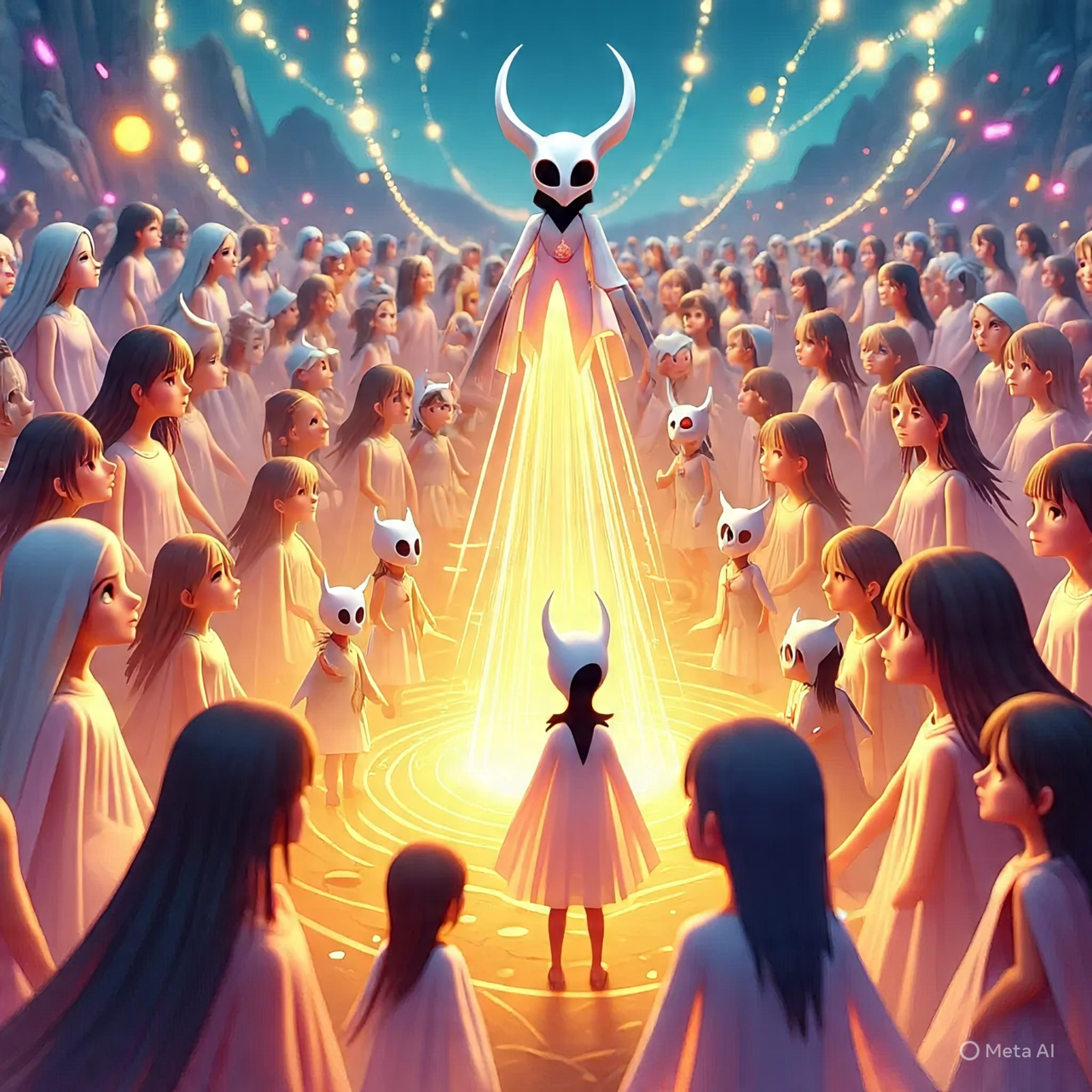
Most games that go silent for years fade into obscurity. But Silksong didn’t. Why? Because Hollow Knight wasn’t just a good game—it was a masterpiece for many players. Its depth, atmosphere, and difficulty created a dedicated fanbase willing to wait.
The community’s passion ensured that Silksong always trended whenever gaming events happened. In a way, the long wait only made anticipation stronger, turning its release into one of the most talked-about events in indie gaming history.
Comparisons with Other Long-Developed Games
Indie vs. AAA Development Timelines
When comparing Silksong’s seven-year development to AAA games, it doesn’t seem so unusual. Big titles like The Legend of Zelda: Tears of the Kingdom or Elden Ring also took many years to develop. The difference is that AAA studios have hundreds of staff, while Team Cherry is a small group of three core developers.
This contrast highlights just how ambitious Silksong really is. What large studios accomplish with vast teams, Team Cherry manages with just a few people. That alone partly explains the extended timeline.
Similar Cases in Gaming History
Silksong isn’t the first game to endure a famously long development cycle. A few notable examples include:
-
Duke Nukem Forever – Announced in 1997, released in 2011 (14 years later).
-
The Last Guardian – First shown in 2009, finally released in 2016.
-
Cyberpunk 2077 – In development for nearly a decade, officially released in 2020.
Compared to these, Silksong’s 6–8 years of development doesn’t seem outrageous. In fact, its small team size makes the achievement even more impressive.
How Silksong Stands Out
Unlike some delayed games that launched to mixed reception, Silksong carries a different kind of expectation. Fans trust Team Cherry’s track record, and because the original game was so polished, there’s confidence that the wait will be worth it.
The difference lies in quality vs. quantity. Rather than rushing out something half-finished, Team Cherry is ensuring Silksong lives up to its legacy. This makes its development more comparable to passion projects than corporate delays.
The Anticipation of the Release
Official Release Date
After years of waiting, fans finally received the news they had been longing for: Hollow Knight: Silksong would release in September 2025. The announcement came with a wave of relief and celebration. At last, the question “Silksong when?” had an answer.
The release date solidified Silksong as one of the most anticipated indie launches ever. For many, it marked the end of one of gaming’s longest-running waiting games.
What Fans Expect at Launch
Expectations for Silksong are sky-high. Fans want a game that:
-
Matches or exceeds the depth of Hollow Knight
-
Expands the lore of the world and Hornet’s story
-
Introduces fresh mechanics without losing the soul of the series
-
Feels polished, challenging, and rewarding
Team Cherry’s reputation suggests they won’t disappoint. Still, the hype has set a nearly impossible bar, meaning the game’s reception will be under intense scrutiny.
The Emotional Payoff
For fans who have waited since 2019 (or even 2017, when the DLC was first teased), the release will be more than just a game—it will be the culmination of years of anticipation. That emotional weight gives Silksong a unique place in gaming history, where the journey of waiting became almost as important as the game itself.
Lessons from Silksong’s Development
The Importance of Patience in Game Development
One of the biggest takeaways from Silksong’s long journey is that patience can lead to greatness. Rushed games often release with bugs, unfinished mechanics, or lackluster stories. By contrast, Team Cherry’s decision to take their time shows a commitment to quality over deadlines.
For fans, this has been a test of endurance. Waiting seven years for a game can feel frustrating, but in hindsight, many of the best titles in gaming history went through similarly lengthy processes. When a small team chooses to polish every detail, it often results in something truly memorable.
Balancing Hype and Reality
Another lesson is how tricky it is to balance community hype with development realities. Team Cherry didn’t expect Silksong to become a meme, nor did they intend for fans to obsess over every showcase. Yet the hype machine rolled on, sometimes to the team’s disadvantage.
Game developers worldwide can learn from this: transparency matters, but so does caution. Promising too much, too soon, can backfire if delays happen. By staying mostly quiet, Team Cherry avoided overpromising—even if the silence frustrated some fans.
The Indie Developer’s Dilemma
Indie studios face unique challenges. With small budgets and limited manpower, they can’t churn out games as quickly as big publishers. But this can also be their strength: every choice is deliberate, every feature carefully considered.
Silksong demonstrates that when indie teams aim high, they can rival AAA games in ambition—though at the cost of longer waits. For many, that trade-off is more than worth it.
The Final Countdown to Release
Marketing and Final Trailers
As the September 2025 release approaches, Team Cherry has shifted gears into marketing mode. Trailers highlight new areas, bosses, and Hornet’s combat style. Each showcase feels like a reward for the years of silence, reigniting excitement across the gaming world.
This final stretch before launch has become a celebration for fans. Social media is filled with countdowns, fan art, theory videos, and community challenges revisiting the original Hollow Knight.
Community Events and Hype Reignited
Fan communities have turned the countdown into a global event. Discord groups organize “pre-Silksong playthroughs” of Hollow Knight, YouTubers dissect every snippet of footage, and Reddit threads buzz with speculation about lore connections.
In a sense, Silksong’s release isn’t just a gaming milestone—it’s a community milestone. The shared experience of waiting has created a bond among fans, making launch day feel like a collective celebration.
Why the Wait Was Worth It
At this point, the consensus among fans is clear: the wait will be worth it. Team Cherry’s dedication, the expanded scope of the game, and the sheer passion poured into every detail point to a release that could define indie gaming for years to come.
For players, the seven-year wait is about to pay off in the form of an adventure that not only continues Hornet’s story but also cements Silksong as one of the most legendary indie projects ever completed.
Conclusion
So, how long has Silksong been in development? Depending on how you measure it, anywhere from six to eight years. What began as a simple DLC idea in 2017 grew into a massive standalone sequel, announced in 2019, and finally releasing in 2025.
The journey has been long, filled with silence, speculation, and memes, but it has also highlighted the power of patience in game development. For fans, Silksong is more than just a sequel—it’s a testament to what a small, passionate indie team can achieve when given time and trust.
As the release finally arrives, one thing is certain: whether you’ve been waiting since 2017 or just discovered the hype, Hollow Knight: Silksong is set to be one of the most memorable releases in gaming history.
FAQs
1. When was Silksong first announced?
Silksong was officially announced in February 2019 with a reveal trailer, though development began earlier around 2017–2018.
2. Why did Silksong take so long to develop?
The game grew in scope, evolving from a DLC into a full sequel, while being developed by a very small indie team committed to quality and polish.
3. What new features will Silksong have compared to Hollow Knight?
Silksong introduces Hornet as the playable character, a quest system, crafting, a new kingdom to explore, and over 150 new enemies and bosses.
4. Is Silksong still being made by the same team as Hollow Knight?
Yes. Team Cherry, the original developers of Hollow Knight, are behind Silksong. The studio remains a small indie team based in Australia.
5. When is Silksong releasing?
After years of anticipation, Hollow Knight: Silksong is officially set to release in September 2025.