fhd@battlesync.site
Introduction to EVO Gaming
Gaming is much more than a couch co-op battle and arcade machines. Nowadays, the gaming industry is a multi-billion dollar phenomenon across the world, and one of the foremost treasures of it is EVO Gaming, also known as the Evolution Championship Series. And it is not a simple tournament, but rather a cultural phenomenon that unites thousands of avid gamers, esports professional athletes, developers, and fans all under a single roof. When humans refer to EVO, they are not merely referring to having fun playing video games. They are discussing rivalry, zeal, society, and epochal moments.
EVO Gaming is the pulse of the professional fighting game community (FGC). It is an annual arena of ultimate showdown between the best of the best and their strategies, reflexes and skills which challenge their human reaction times and mind games to their full capacity. But EVO is not just a competition, it is an event that glorifies the culture of gaming. It also presents its fan base everywhere in the world who all have something in common; which is that they are all passionate gamers, whether they be of the old arcade stick generation or they are new entrants in their first bracket.
EVO is magic as it can help to bring people together. Imagine thousands of people crowding into an arena, screaming with excitement as one of the players lobs off a comeback with just enough health to survive. It is all EVO raw energy. It goes to show how gaming as a niche pastime has become a universal sport and entertainment both locally and globally.
What is EVO Gaming?
The Evolution Championship Series (also known as EVO Gaming) is the biggest and most reputable fighting game tournament in the world. This event began in 1996 as a humble group of Street Fighter fans. It has grown (pun intended) over the years to become a multi-day event involving thousands of competitors and millions of online spectators worldwide.
This makes the tournament unique to the esports world as it mainly deals with fighting games. Whereas games such as League of Legends, Counter-Strike, and Dota 2 reign supreme over the esports industry, EVO throws the limelight to games like Street Fighter, Tekken, and Mortal Kombat. They are very quick reaction games, complex strategy and accuracy in play and execution and are very exciting to view and very hard to master.
EVO Gaming is not only about the competition but also about culture. It has turned into a fighting games pilgrimage. Members generally call the event the Super Bowl of fighting games, as even amateur players can get a chance to showcase their skills, meet their idols and become a part of a worldwide community. In addition to the tournaments, EVO also includes panels, cosplay, merchandise, and developer announcements, making it a celebration of all things fighting game-related.
Gaming History is coming to be Esports.
To really take the pulse of EVO Gaming we must go back and examine the emergence of esports in general. Electronic sports, or Esports as it is also known, is the competitive element of video gaming. Some people may find it odd, but esports became a multi-million-dollar industry with its own prize money, sponsors, as well as professional athletes whose lives are dedicated to the profession.
In the early days, competition gaming was only done locally in arcades or local LANs. Players would assemble in order to find out who was the best in their town or region. Today, esports tournaments held in large stadiums such as the Staples Center in Los Angeles or Madison Square Garden in New York are attended by thousands of fans, as well as watched by millions of online viewers.
EVO was very important in this development. EVO was organizing competition long before esports became mainstream and was already making it a reality. Fighting games, unlike other types of esports where teams and huge rosters are involved, are very personal, allowing the individual to showcase their ability. It is a high stakes boxing match; watching two players duel in Street fighter is just you and your opponent and your power to outwit and outplay your opponent.
Esports now fully enter the mainstream, as games are being shown on such channels as ESPN, twitch, and YouTube. The case of EVO is not that different and it allows to realize that competitive gaming is not only the type of entertainment, but also the type of sport which is legitimate and the demands include training, discipline and the desire to win.

The Esports Industry Emerges with EVO.
EVO did not come out of thin air as the biggest fighting game event. It has grown slowly thanks to the motivation of gamers and the effort of its organizers. The fighting game community has a bright future as what began as a grassroots event transformed into a legendary annual competition.
In 1996 in Sunnyvale, California, the first EVO tournament, which was then called Battle by the Bay, took place. It was a small, modest and a game-specific company. But it germinated the seed of something bigger. By the early 2000s EVO had become a household name among the participants of the gaming community in the United States and in Korea, Japan and Europe.
The decade of the 2010s was really the time of explosion of EVO in popularity. The advent of live streaming technology like Twitch facilitated the ability of fans everywhere in the world to view the action as it occurs. It was not the gathering of a few individuals anymore-EVO was a globe-spanning event with millions of spectators. EVO came to be synonymous with historic gaming moments, such as the Daigo Umehara super combo in EVO Moment 37, when he blocked out 18 hits of a super combo delivered by Chun-Li in Street Fighter III.
EVO is now a brand and a center of popular culture, as well as a tournament. Announcements, trailers, and game reveals are often timed by developers to coincide with EVO since they know the world is paying attention. Despite its modest origins in an arcade in California, EVO has developed to be the center of combat fighting games.
A Short History of EVO Tournaments
The EVO story is the story of grassroots gaming becoming esports history. The earliest and the smallest tournament was in 1996, a small gathering of fighting game enthusiasts (Super Street Fighter II Turbo and Street Fighter Alpha 2). At the time, nobody even imagined that it would be the first step towards the largest fighting game in the world.
In the early 2000s, EVO began to take on a more organizational structure, as the games and foreign participants started to increase. It was the period of the mythical confrontations of Japanese and American players, so the games always seemed to be the contests East vs. West. The most notable occasion, however, was the 2004 Street Fighter III tournament where Daigo Umehara gut shot his now-famous parry comeback on Justin Wong-an iconic video that continues-to-this-day being viewed by millions.
As of the 2010s, EVO is no longer a tournament. It was now a gaming festival. It moved to Las Vegas and was played in enormous appearance halls and arenas with enormous stages, ranks, and hysterical audience members. Associations with sponsors such as Capcom, Namco and Sony, further justified the notion of EVO as a professional competition.
In 2022, EVO was acquired by Sony Interactive Entertainment and RTS, to gain a foothold in the esports industry. This purchase allowed EVO to tap into even more resources and go global with events in Japan and elsewhere.
One thing that EVO has taught us in the course of its history is that passion is what empire is made of. What started as a hobbyist affair has become a keystone of the gaming culture and has inspired generations of gamers and enthusiasts all across the world.
The story of how EVO became an Esports Phenomenon in the world.
The story of EVO as the small community event that grew to become one of the most popular esports festivals in the world is truly incredible. EVO was initially driven by the fighting game community (FGC), unlike many esports tournaments that publishers or other large organizations initially sponsored. It was a grassroots creation that made EVO stand out: created by the players, the players.
Openness is one of the core factors that have already made EVO successful across the globe. In contrast to invitation-only esports events, EVO is open to anyone who wants to play. You’ve tens of years experience in your belt or are a fresh face who is willing to try your skills, you may be in EVO and even share the same stage with the legends. This is what makes EVO unique and it encourages millions of fans to pursue their dream of getting to the major stage.
A huge part was also played by technology. As online streaming sites such as Twitch and YouTube became popular, EVO could now reach a much larger audience than the physical event. Millions of fans worldwide could now enjoy the best matches ever and in real-time, express their emotions in the chat and join the community without leaving the stadium. EVO was an international event that was more of a niche than an esports event.
The other aspect that contributed to the emergence of EVO was its inclusiveness. The FGC boasts of being one of the most inclusive gaming communities, where every kind of player is always welcome regardless of their origin, gender, or nationality. EVO was a place that anyone could shine no matter where he/she originated. This not only diversified the competition, but also made the event seem worldly.
Major EVO developmental milestones.
Breakthroughs are linked to the development of EVO. We can divide some of the most important milestones that led to EVO what it is into:
- The Making (Battle by the Bay) 1996.
-
-
- The inaugural EVO contest (then named Battle by the Bay) took place in Sunnyvale, California. It had only a few Street Fighter names but this underpinned it all.
-
- 2002 – EVO Is Born
-
-
- The Battle by the Bay changed its name to the Evolution Championship Series (EVO). The event began to get momentum as it attracted Japanese, European, etc. competitors.
-
- 2004 – EVO Moment 37
-
-
- Probably the most well-known scene in fighting game history. After being defeated by Luke Skywalker in Street Fighter III: Third Strike, one of the victorious comebacks of Daigo Umehara playing with Justin Wong was called EVO Moment 37 and made the magic of fighting games equally famous and popular at the same time.
-
- 2010 – Streaming Explosion
-
-
- With the help of Twitch and YouTube, EVO started attracting millions of audience online. It was no longer a local community gathering event but an international broadcasted one.
-
- 2016 – ESPN Broadcast
-
-
- EVO 2016 was also the first to air on ESPN2, indicating that esports were finally rewarded a place on par with any regular sport on the big networks.
-
- 2022 – Sony Acquisition
-
- EVO was purchased by Sony Interactive Entertainment and RTS with the promise of new growth, improved infrastructure and more global events. This action put EVO in position to keep prevailing in the esports fighting game.
Its victories suggest that EVO is not merely an event, but a legacy on wheels. Every year brings with it new tales, competitions and memorable events to its history.
Popular Games in EVO Gaming
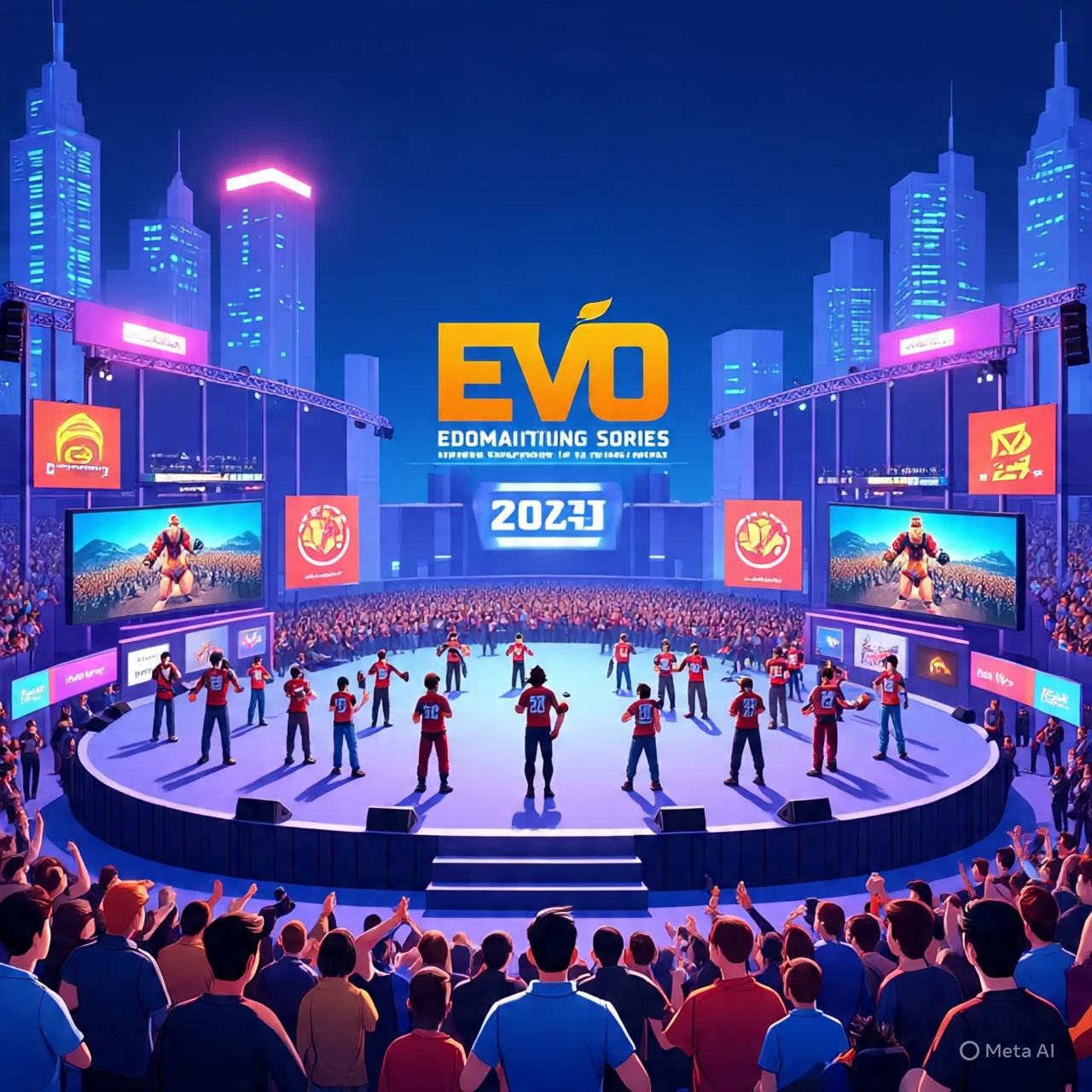
The center of EVO is the games. The EVO features a roster of fighting games as opposed to other esports events, which operate within a single title. Though the list of rosters varies slightly every year, some of the names have formed an annual staple of the tournament, with hundreds of thousands in attendance and serious competition.
EVO has succeeded because of its emphasis on skill-based fighting games. The spectators find it simple to comprehend in these games and two players enter the stage, with one coming out the winner after outplaying the opponent. This simple design makes EVO so exciting to play, and it can be played by lesser gamers who may not know all the intricacies of the mechanics.
We will take a look at some of the most popular games that have shaped EVO over the years.
At the centre of EVO, Fighting Games.
The EVO is fighting games. They are quick, high-paced and full of action that can turn on a dime. It is everything about the mind games, accuracy and reflexes and EVO is the best way to test any human being who claims that he is the best.
Old and new hits are traditionally packed in the EVO franchise, so each fan will have something to anticipate. There are those games that will always be there and those that will come and go based on their popularity and competitiveness.
These are the fighting game giants who have become part of EVO history:
Street Fighter Series
There is no other game that can depict EVO better than Street Fighter. Since the first ever Battle by the Bay in 1996, Street Fighter has been the jewel in the crown of the tournament. Street Fighter offers the most prestigious title of the event because every year players around the world train for the opportunity to win the EVO trophy.
The Street Fighter games have a reputation of being strategic. At first glance, it appears to be a very basic game: two characters engage in a battle until one of them dies. But behind that simplicity is a complex mechanism-frame data, spacing, combos, mind games-between the amateur and the professional. High level Street Fighter is watching lightning speed chess.
Street Fighter has provided some of the most classic EVO moments. Since Daigo and his legendary parry, the series has offered countless moments. The franchise is the heart of the FGC now that EVO shows the best and latest in the world of professional competition with the recent release of Street Fighter 6.
Tekken Series
Street fighter is the monarch of 2D fighting games, then Tekken is the leader of 3D. With highly complex mechanics, fluid animation and a very high level of execution, Tekken has been an EVO regular since the 1990s. The show takes the martial arts plausibility and inoculates it with excess that makes the show a technical and visual pleasure.
Tekken is very popular because strategy and reflex balance can make it competitive. Players have to master frame data, master movement and be able to predict their opponents next move whilst keeping their own movement perfectly perfected. Often, games are won or lost by the smallest of margins and a single slip may mean the difference between success and failure.
One of the most theatric EVO moments has been the final of the Tekken tournament, with underdogs defeating global champions and international competitions being performed on stage. Tekken also have a genuinely international fan base with the best players in South Korea, Pakistan, Japan and United States dueling it out. The emergence of competitors such as Arslan Ash of Pakistan, who dazzled the world and won EVO titles, demonstrated that EVO is the place where heroes are made.
Mortal Kombat & Other Titles
Street Fighter and Tekken are the headliners, though EVO has provided other classic series, such as Mortal Kombat, Guilty Gear, and Super Smash Bros, with stage time, as well. These are all games of their own and will guarantee the fans variety and thrill in the event.
- Mortal Kombat: Mortal Kombat is an iconic game due to its bloody killings and Hollywood theme. EVO has had a successful series with some of the most hardcore and violent games in esports.
- Guilty Gear & BlazBlue: Arc system works titles do well at EVO due to the high speed of play, flashy moves and anime style artwork. The games themselves may not be as mainstream as Street Fighter is, but their fanbases are fanatically loyal.
- Super Smash Bros: Despite occasionally being contested at the FGC, Smash has been highly represented at EVO, with some of the biggest crowds. Its simplicity and complexity is what makes it appealing to amateur and professional gamers.
This is what makes EVO not just about one game or one genre. It is less of a fighting games competition and every community has the chance to shine in the international arena.
Growing Beyond Fighting Games.
EVO has traditionally been associated with fighting games- but times are a changing. The appetite and enthusiasm to have diversity increases with the growth of esports. Although EVO has not forgotten about its origins, it has gradually begun to consider the option of going outside of fighting games.
This does not come with substitution of the classics- it is enlargement in the name of survival. Introducing new genres might attract new crowds and retain the original FGC spirit. Competitive-depth games that are appealing to crowds, and relevant to cultural interests could become part of the EVO product range in the future.
Imagine EVO featuring rhythm game special events and strategy games special events or even crossover events with other esports. Having its diversity policy, as well as continuing with its tradition, EVO can not only become a fighting game tournament, but the center of esports in the world.
The Society Behind EVO Gaming.
The games are not the main focus of EVO, but the community. The FGC is grassroots and community-driven, unlike certain other esports scenes which seem to be corporate-driven. EVO is the place where people make friends, create rivalries and where gaming culture thrives.
The passion is one of the most beautiful elements of the EVO community. The fans not only watch the matches but experience them. The crowd cheering in a come back victory is enough to get chills up your spine. Thousands of fans in the arena and millions watching the event online contribute to that energy, and it feels like no other esports event can compare to this energy.
EVO significantly contributes to the development of the gaming culture as well. Not just the main stage but the side tournaments run by the fans, EVO is all about bringing people together to do what they enjoy. This community can make EVO not only a competition, but also an annual gathering of players worldwide.
The Role of Gamers and Fans
EVO lives and breathes gamers and fans. The event would not have happened without them. Each person entering into the bracket, each fan in the crowd, and each viewer watching online all add to the magic of EVO that makes it memorable.
EVO is the game that defines a player. Some are just there to have fun whereas some seek glory and recognition. No matter how skilled you are, playing on the EVO stage is an honor–you can say at least you had the guts to challenge yourself with the world champions.
To the fans EVO is nothing but entertainment. Intimate match suspense, loss agony, and underdog stories all combine to create an emotional rollercoaster ride. EVO fans are not just spectators of the game, but they also buy into the experiences of the players, who at overnight become the stars of the game.
Fans keep EVO all year round outside of the arena. They share the highlights, memes, and discuss the tips and tricks to continue the hype until the next action. This eternal dynamism within the society does not transform EVO to an annual occasion, but rather a culture.
Streamers and Influencers.
EVO is going digital thanks to influencers and streamers. EVO has been provided and allowed to have an international platform through Twitch, YouTube and Twitter and local matches went viral. Streamers comment, take breaks and reply on the fly to bring the attention of new players to the game, and to amuse the old ones.
The FGC also has influencers who become ambassadors of the group. They identify with fans at a personal level, creating communities that go well beyond the EVO weekend. Whether it is pro players that stream their training sessions or even the casual fans that produce content about their favorite matches, influencers are the ones that keep EVO relevant in the ever-evolving world of esports.
The other connection that streaming has provided is the two-way connection. Fans do not simply watch they engage. They talk about their hype in Twitch chat, share clips on social media and engage in discussions. This type of activity is what makes EVO an international shared experience where everybody can be part of the action.
Twitch, YouTube, and More.
Streaming platforms are the real game-changers, when it comes to EVO and its influence globally. Previously, one just had to be physically present at the event to feel its magic. EVO is one of the most accessible esports events of all time, with millions of people around the world being able to watch it live in the comfort of their own homes.
- Twitch: EVO is primarily broadcast on Twitch. You can now watch all the major matches live on twitch, and there are several streams of the same game running at the same time.
- YouTube: EVO history can be found best on highlight videos, replays, and documentaries. The FGC has been injected with new generations of viral clips such as EVO Moment 37.
- Twitter/X and Tik Tok: These applications promote immediate reaction and memes. Moments of hype are immediately shared by fans, and EVO can trend around the globe in minutes.
Together with these platforms it implies EVO is not only a real-life event, but a digital gaming festival, bringing fans together not only on a national- and continental-level, but also, time zones.
The Competitive Scene
The image, which comes to mind when people think of EVO, is the level of competition. EVO is not a regular gaming convention, but the largest competitive fighting game venue. The EVO arena is the dream of many players. It is where a name is made, a reputation is put to test, and champions are crowned before the cheers of the crowd and millions of online observers.
EVO has a certain prestige and legacy, as opposed to many esports events. It requires more than money, more than trophies to win at EVO: it requires marking your name on the history of fighting games. Any player who wins an EVO title becomes a legend, who everyone will remember several years later. This is what makes EVO the proving ground of all proving grounds; this particular combination of community respect and competitive glory.
The thing is though that EVO makes it more inclusive. Anyone can sign up and play. There is no locked bracket and invite only. This means the difference between you that is you may be an amateur who rolls dice or a professional who wants to win the gold-you both get the same chance to jump through the brackets. That openness provides EVO with the magic that some other esports lack, making it a legitimate battle of skill in which anything can happen.
EVO Tournament structure.
The organization of EVO tournaments allows them to maintain a healthy level of competition and excitement. The games played in EVO have their own specific tournament and thousands of players can enroll in one game. EVO is based on a bracketed format of elimination to handle this.
Pools Stage
The players are separated into pools (smaller groups of competitors).
All pools have their own mini-bracket, typically a double elimination, which means you have to lose two times to be knocked out.
The winners move into the next phase, which reduces the huge number of players.
Quarterfinals & Semifinals
The intensity increases as the field becomes smaller.
Only good competitors are left at this stage, and matches are sometimes comprised of best players worldwide.
Every game becomes something to look forward to and unexpected surprises interrupt the prediction.
Top 8 Finals
The highlight of EVO. The Top 8 players of each game play on the main stage before thousands of viewers.
These events are transmitted globally, many being professionally commentated and produced.
EVO moments are created in the top 8s, the wildest comebacks, the emotional wins, and the rivalries that drive the FGC.
This title enables EVO to be a story as well as a competition. The audience sees their preferred players on the first day of pools through to the big stage and each of their successes.
The way to qualify and compete as a player.
Another most thrilling aspect of EVO is that any person may compete. EVO is open registration, unlike other esports tournaments where a pro contract or official ranking may be necessary to qualify. So long as you are ready to register, pay the entry fee and travel to the event, you are in.
This does not however imply that success comes easy. Competition in EVO is savage. Even established professionals have been toppled early with thousands of players, when they do not estimate their opponent properly. EVO is open, and this has resulted in infinite underdog stories, where previously unknown competitors to an established champion emerge victorious, and overnight become famous.
Players have to:
- Train: Daily training, practices, combinations, games.
- Opponents of the study: A large number of pro players view videos, study clips, and strategize.
- Get in the head: EVO is not a mechanic show, it is a test of your appearance with hundreds of people screaming and millions of people watching you.
Go to other parts of the world: EVO being a global event, players get to encounter players that have very different playing styles worldwide.
Such accessibility and difficulty combine to make EVO unique. It is open to all but only the fittest make it to the top. That is why the EVO title is a big deal, because you have not only won the best of the best, but the most competitive of all.
EVO preparation and training.
There are months or even years of practice behind every EVO champion. Fighting games are not merely a matter of hitting buttons with fingers as quickly as possible – they demand knowledge, instinct and discipline as iron. In order to have a chance to compete in EVO, players undergo a training program that can be compared to professional athletes.
Mechanical Training
Players train day in day out to fix their execution. This includes:
- Learning to do combos until it becomes a muscle-memory.
- Learning defensive skills such as blocking, parrying, breaking throws.
- Acclimatizing to normal preparations.
- Studying Matchups
All fighting games feature a wide roster of different characters with their own strengths and weaknesses. EVO players take hours to provide an analysis of how their main character performs against other players, gaining knowledge of how to fight every potential combination possible.
Mental Preparation
EVO is a high pressure environment. You are on stage, with thousands of eyes on you, and you are attempting to make every single decision. Most pros build mental toughness by meditating or imagining or practicing how to get back on their feet after being beaten.
Physical Health
Physical conditioning is important, much as it is neglected. Players should have good hand stamina, good hand reflex and good mind. Many of the pros include proper sleep, nutrition and even hand stretches in their programs.
Tournament Experience Smaller ones.
Majority of players do not enter EVO. They have a chance to experience it in local tournaments, online and regional majors. This allows them to train and learn different ways to play along with being able to be confident enough to go out there and play at EVO.
All this training is epitomized in the mythological games of EVO, where every decision, every option, every counter has come as a result of many years of training. It doesn’t take talent to win EVO it takes hard work, training, and a firm mental attitude.
EVO Gaming: Cultural.
EVO is not just a tournament, but it is a culture that has helped delineate what competitive gaming is around the world. It is because of the energy, passion, and unfiltered excitement behind EVO that has seen video games evolve into a source of entertainment that can be found around the world. To most, EVO represents the heart and soul of the fighting game community (FGC), and all the things that make people love competitive gaming: drama, hype, and memorable moments.
The most significant cultural influence of EVO has been the way that it has broken down borders between nations and groups. Japanese, American, Korean, European and other gamers of the world gather under the same roof in order to enjoy their fighting games. This has resulted in a melting pot of strategies, play styles, and cultural exchange that make the FGC more unique overall. EVO is not a competition but a learning, celebrating and glorifying diversity.
EVO has given rise to new generations of players too. Even a lot of pros that are currently in the sport were kids watching EVO streams online and fantasizing about being on that stage themselves. The accident proves that everybody can be a hero to himself, regardless of his background as far as he is passionate enough to work hard enough. This gives EVO a kind of promise and potential to gamers all over the world.
EVO’s Role in Esports Growth
Although other esports such as League of Legends or Counter-Strike often take the center stage, EVO has been instrumental in legitimizing esports. EVO was coaxing thousands of players and fans to arenas long before gaming was aired on ESPN or Twitch. It turned out that tournament gaming could be used to attract a crowd, tell an amazing story, and create moments that could rival even a professional sport.
EVO also contributed to confirming that esports could flourish beyond publisher-funded systems. Even without corporate sponsors, EVO was a grassroots event, relative to the tournaments that the game developers hosted, demonstrating that a passionate and well-organized community was capable of creating something very massive indeed. This reality gave EVO legitimacy and was used as an example in other underground esports tournaments globally.
Besides, new fighting games have been launched using EVO. EVO is a site which is frequently used by developers to present trailers, announce updates, present characters. The industry and the esports ecosystem, in particular, benefits by this developers-EVO stage symbiosis being relevant and competitive fighting games.
Global Expansion of EVO
EVO has long been mainly an event based in the U.S. However, when it gained popularity, the need to go international increased. This saw the formation of EVO Japan that provided the Asian players with an opportunity to play without necessarily travelling around the world. EVO Japan has rapidly become one of the most anticipated events of the FGC calendar, further cementing the international coverage of EVO.
The impact of EVO is experienced throughout the globe except in Japan. We will see smaller tournaments in Europe, Latin America, and Southeast Asia. These will usually be modeled after EVO, which is fast becoming the new gold standard of competitive fighting game event. This way, EVO does not only host competitions, it also encourages communities all over the world to grow and flourish.
With the purchase of EVO by Sony Interactive Entertainment and RTS in 2021, new expansion opportunities have also become possible. Now EVO is capable of hosting satellite events elsewhere with more resources, thus can become even more accessible to international players. This step makes EVO not only an American phenomenon, but a genuinely international esports brand.
The Business Side of EVO
EVO is also a commercial juggernaut behind the screaming crowds and exciting games. Organizing a huge event involves some planning, sponsorship arrangements and financial planning. EVO has evolved over the years to become more of a professional level esports event with corporate sponsorship and international impact, rather than a grassroots passion project.
Companies such as Capcom, Bandai Namco, SNK, and Arc System works also contribute immensely to sponsoring the event. EVO is viewed by these companies as the ideal platform to promote their games and interact with the community. Non-gaming brands have begun investing in EVO as well, given the cultural nature of the event and its huge fanbase.
EVO also generates revenues by way of merchandising, streaming rights and partnerships. To reduce environmental impact, EVO has developed a sustainable eco-system that benefits to the community and the event, beginning with branded apparel and followed by online digital passes.
Yet it is its brand loyalty that is probably the most significant business element of EVO. Fans are not brought to EVO: they make it their story. Through this relationship, EVO has managed to make a profit every year without betraying its grass roots.

EVO and Technology
EVO has been growing around technology. EVO would not be the world power it is today without the advancements in streaming solutions, broadcasting tools and online connectivity.
As the concept of live stream was introduced to both Twitch and YouTube, EVO no longer was a local event, but a global one. Live viewers were able to watch matches and recordings and enjoy the most epic moments in real-time. This ease of access not only increased the popularity of EVO, but also made it easier to create a stronger feeling of community around the world.
EVO has also adopted the best production values. It looks like a world esprit contest with HD cameras, professional commentators and stage arrangements. Meanwhile, the availability of social media will ensure that each highlight goes viral and continues to impact EVO far beyond the arena.
Technology will be even more important in the future. EVO has an opportunity to become even more of an immersive experience with innovations such as virtual reality, augmented reality, and AI-based analytics.
Iconic EVO Moments
EVO has blessed the world with millions of moments that have become part of the history of gaming. It is these moments that keep the fans returning year after year just to experience more memorable moments.
Among the best known:
EVO Moment 37 (2004): the legendary parry of Daigo Umehara against Justin Wong during a fight in Street Fighter III: Third Strike. A sequence so good it is still regarded as the greatest moment in the history of fighting games.
Victory by Arslan Ash (2019): The Pakistani underdog not only succeeded in creating a sensational impression on the population but also managed to become the winner in the Tekken 7 championship, proving that talent was literally under every rock.
SonicFox vs. Go1 (2018): An epic Dragon Ball FighterZ grand finale with SonicFox as the winner as they reset the bracket, becoming one of the finest in the world.
Street Fighter V finals on ESPN (2016): The finals of the first ESPN2-run EVO marked a breakthrough in the popularity of esports.
These are not the victorious moments, but the moments of emotion, of perseverance and player stories. With their help, the fans are referring to EVO not only as a competition, but also a rollercoaster of emotions that mark the traces of their whole life.
Women and Diversity at EVO Gaming.
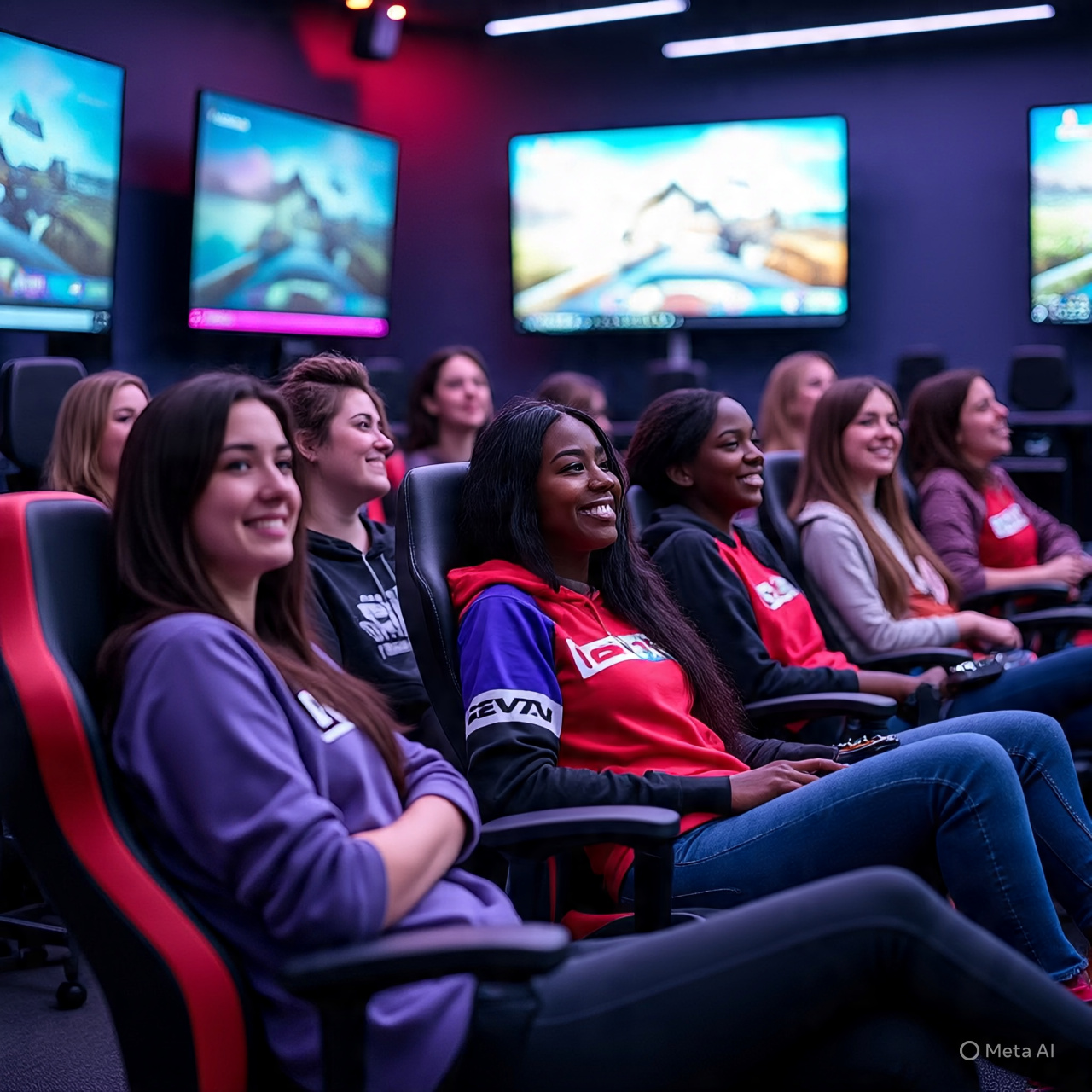
One of the best assets of EVO is a diverse and inclusive community. Unlike other esports communities where a few groups disproportionately control a particular scene, the fighting game community (FGC) was never closed to players of all backgrounds, gender, and abilities. Such inclusivity is not merely found through the audience but also at the competitive level, as players representing various parts of the world gather to share their love and passion in fighting games.
Despite the fact that EVO has been continuously dominated by men, the presence of female participants, commentators and influencers has been growing steadily. Women such as Cuddle Core (Tekken) and ChocoBlanka (Street Fighter) have also shown that there is no gender-based limitation on playing in the highest league. EVO had also tried to hear these voices properly and gave them a voice in commentary desks, panels and advertising publishing.
Besides the diversity of sexes, EVO is a veritable melting pot of cultures. Japanese, Korean, Pakistani, Mexican, U.S and European players all play together with different styles and different play strategies. This creates exciting competitions that have no national borders and exhibits the universal language of gaming. This global diversity can also be seen in the viewers of EVO with fans of EVO representing every continent in the world to watch the event and cheer on their favourite players.
Inclusivity and diversity has helped EVO to maintain a vibrant, welcoming, and representative community in the gaming world.
The Future of EVO Gaming
EVO has a bright future. As esports is still gaining traction at an unprecedented rate, EVO is well-positioned to be the leader in competitive fighting games. Since its acquisition by Sony Interactive Entertainment and RTS in 2021, it can now access more resources and larger facilities and reach a global audience. This could mean that EVO events could be held in other continents so more players can experience the magic themselves.
New fighting games such as Street Fighter 6, Tekken 8, etc. will make EVO never-endingly fresh and exciting. The competitive scene is continuously evolving with each new title, mechanism, character, and strategy. The significance of EVO is also becoming a well-known topic among developers, as they often schedule their largest announcements and updates around the time of the event.
Technology-driven experiences could also be a future trend of EVO. Imagine fans take time to watch matches in the virtual reality or use AI tools to analyze matches in real-time. These advancements can make EVO even more of an immersive experience that allows fans to feel like they are sitting ringside no matter where they are located across the planet.
It suffices to mention that the future of EVO is somewhere in the middle between its grassroots nature and adoption of the latest innovations in esports. As long as it can maintain this balance, EVO will continue to survive, but it will even thrive as the most famous fighting game tournament worldwide.
Conclusion
EVO Gaming is not something that came to pass, it is heritage. What started as a small group of Street Fighter enthusiasts in 1996, has now become the biggest and most coveted fighting game tournament on the planet. It has established the culture of esports, motivated millions of players, and given us the moments we may likely look back on in decades to come.
EVO is fundamentally about community, passion and competition. It shows that anyone, with or without talent, can rise to the occasion and challenge himself or herself on the largest stage. It brings together players and fans worldwide and honors fighting games artistry by pushing the limits of esports in general.
The most significant of these still continue to be used as a by-product of EVO, such as the cult-heroic parry of Daigo, the underdog such as Arslan Ash becoming a star. And with the growing use of technology, inclusiveness, and international connectivity, the future of EVO is even more promising than ever.
and though ye be not so solemn a gamer, be ye a gamer of earnestness or but a lover of a show, EVO Gaming will never abandon thee without something to be shown thee-opportunity of looking on the history being made.
FAQs
What denotes EVO in EVO Gaming?
EVO, which is also known as the Evolution Championship Series, is the biggest, most famous, and significant fighting game tournament in the whole world.
Can anyone compete at EVO?
Yes! The EVO registration structure is open to any person to register with the aim of competing regardless of their status as an amateur or professional competitor.
Which are the best games at EVO?
Street Fighter, Tekken, Mortal Kombat, Guilty Gear, and Super Smash Bros. are the most iconic games, but the list also varies quite a bit every year.
Where is EVO held?
The key event of EVO typically takes place in Las Vegas, Nevada, although there are also other events held at EVO Japan and abroad.
What is the meaning of EVO in esports?
EVO helped popularize esports early on by showing that professional esports could unite players in vast numbers, create iconic moments, and attract audiences of enormous proportions globally.